Issaquah, WA · King County
Water Heater Leak Water Removal in Issaquah, WAWater Heater Leak Mold Prevention & Water Heater Leak Water Removal
Water Heater Leak Water Removal in Issaquah begins with water heater leak moisture inspection, followed by water heater leak water extraction and water heater flood drying for a swift cleanup.
Answered 24/7
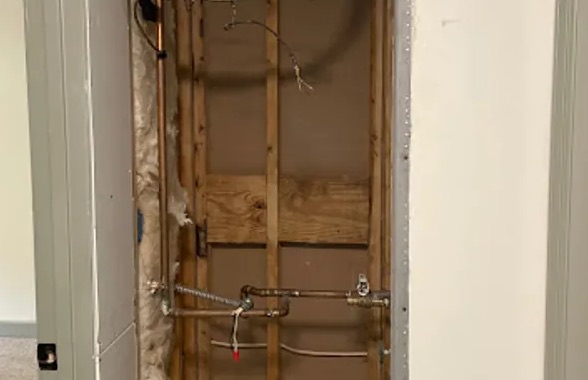
Professional Water Heater Leak Water Removal in Issaquah, WA
Within the community of Issaquah, water heater leaks frequently start in utility closets or garages. Water can soak insulation, warp drywall, and damage personal property stored nearby, making thorough cleanup and drying a complex task.
In Issaquah, homeowners facing a flooding water heater can get emergency help. Local water extraction experts extract the water and start drying, which sets up any repairs that follow.
Water Heater Leak Water Removal and Restoration Services
Water Heater Leak Mold Prevention
Preventing mold growth is a proactive measure taken after drying is complete. Specialized biocides are applied to cleaned surfaces by restoration professionals as a final safeguard.
Water Heater Leak Water Removal
Water extraction is the non-negotiable first step for a water heater leak. Professionals prioritize removing all visible water using industrial-grade extraction machinery.
Water Heater Flood Drying
After extraction, focused drying targets hidden dampness in walls and the subfloor. The pros deploy equipment in a calculated pattern to achieve drying goals for your property.
Water Heater Leak Water Extraction
Standing water from a failed water heater must be removed promptly to protect a home's substructure.
Water Heater Leak Moisture Inspection
A detailed moisture inspection finds hidden water from a leak. The pros use infrared cameras to map saturation behind walls and under floors in Issaquah.
Warning Signs You Need Water Heater Leak Water Removal
Water Heater Pilot Light Problems
A gas pilot light that will not stay lit can be caused by water leaking inside the unit.
Unusual Utility Bill Spike
A sharp rise in your water bill can point to a slow, hidden leak from the water heater.
Leaking Water Heater Damage Repair
Rust, corrosion or stains on the tank or its pipes usually mean a leak has started or is close.
Water Heater Flood Content Cleaning
Wet boxes or stored items in the water heater closet mean water has been collecting there.
How Water Heater Leak Water Removal Works in Issaquah
Step 1: Emergency Containment Measures
First, the pros take steps to contain the leak and prevent water from spreading to other rooms.
Step 2: Complete Moisture Extraction
All water is extracted from floors, under appliances, and from any affected porous materials.
Step 3: Advanced Drying Technology
State-of-the-art air movers and dehumidifiers create a controlled drying environment. This water heater leak drying process uses industry-standard methods for reliable results.
Step 4: Prevention Verification Step
Before closing the job, pros verify that conditions are not conducive to mold growth.
Why Water Heaters Leak and Cause Damage
Internal Tank Corrosion
Over time, sediment buildup and corrosion weaken the steel tank, creating pinhole leaks that lead to water heater leak water damage.
Pressure Relief Valve Failure
A stuck or faulty temperature and pressure relief valve is a common cause of hot water heater flooding and sudden water discharge.
Failed Anode Rod Protection
When the sacrificial anode rod is fully consumed, accelerated tank corrosion occurs, often resulting in a leaking water heater damage scenario.
Physical Damage to the Tank
Bumping the tank during maintenance or while moving items in the closet can dent or puncture it.
Water Heater Leak Water Removal for Homes and Businesses in Issaquah
Residential Water Heater Leak Water Removal
Home water heaters located in attics create a high-risk scenario, as leaks can cascade through ceilings. The experts prioritize emergency water heater leak response to contain the flow.
Commercial Water Heater Leak Water Removal
In restaurants or hotels, a water heater leak can contaminate food prep areas or damage guest room finishes. The pros conduct specialized hot water heater leak cleanup following industry standards.
The Risks of DIY Water Heater Leak Water Removal
You can take clear photographs of the leaking water heater, the surrounding damage, and any affected belongings. This visual documentation is useful for your insurance claim. The pros will also take detailed moisture readings and photos as part of their standard water heater leak restoration process.
What Influences Water Heater Leak Water Removal Cost in Issaquah
Several variables determine the cost for leaking water heater damage repair in Issaquah, including the extent of structural wetness and whether flooring or drywall needs attention.
Emergency Response
Water removal at night, on weekends or outside normal business hours can cost more.
Material Damage
Costs rise if the leak soaked drywall, flooring or cabinets that need repair or replacement.
Mold Prevention Needs
If the moisture inspection shows a high mold risk, antimicrobial treatment adds to the cost.
Does Insurance Cover Water Heater Leak Water Removal?
Insurance coverage for emergency water heater leak service is often contingent on the incident being a covered peril under your policy. The water extraction and drying reports from professionals serve as vital evidence for your adjuster.
Why Choose Local Water Extraction Experts for Water Heater Leak Water Removal in Issaquah
Advanced Drying Equipment
Industrial-grade air movers and dehumidifiers are used for thorough water heater flood drying, targeting hidden moisture in walls and floors.
IICRC-Standard Water Extraction
Water removal and drying follow industry guidelines, which limits damage to the structure.
Detailed Documentation
Thorough photo and moisture data documentation supports your insurance claim process for water heater leak restoration costs.
24-Hour Water Heater Leak Water Removal in Issaquah, WA
Water heater flooding the floor? Shut off its water supply and call (253) 216-4287 24/7 to start extraction and drying right away.
Call Now (253) 216-4287Water Heater Leak Water Removal Serving Issaquah, Sammamish, Newcastle and Fairwood
The experts provide water heater leak cleanup and restoration for properties in Issaquah. Whether in the main city or nearby locales such as Sammamish, Newcastle and Fairwood, timely response helps mitigate damage from a failing water heater.
- Water Heater Leak Water Removal in Sammamish
- Water Heater Leak Water Removal in Newcastle
- Water Heater Leak Water Removal in Fairwood
- Water Heater Leak Water Removal in Renton
- Water Heater Leak Water Removal in Bellevue
- Water Heater Leak Water Removal in Union Hill-Novelty Hill
- Water Heater Leak Water Removal in Snoqualmie
- Water Heater Leak Water Removal in Maple Valley
- Emergency Damage Restoration in 98027
- Storm Damage Restoration in 98027
- Water Damage Restoration in 98027
- Water Extraction Service in 98027
- Water Leak Detection in 98027
- Water Removal Service in 98027
- Emergency Damage Restoration in 98029
- Storm Damage Restoration in 98029
Water Heater Leak Water Removal Common Questions Answered
What does hot water heater leak cleanup involve?
It includes water extraction, cleaning the area if needed, drying all surfaces with commercial equipment and checking for needed repairs.
What causes a water heater to leak and flood?
A water heater can leak from a failed pressure relief valve, corroded tank, loose connections, or a cracked internal liner, leading to sudden flooding.
What are the steps in water heater leak restoration?
Steps in water heater leak restoration typically include stopping the leak, extracting water, thorough drying, sanitizing, moisture verification, and coordinating any necessary repairs.
Why is water heater flood drying important?
Drying removes the hidden moisture in walls and flooring that would otherwise cause warping, mildew and structural damage.
Where does water go after a water heater leak?
After a water heater leak, water often pools around the unit, flows along the floor, and can seep into adjacent walls, under flooring, or into a basement.