DuPont, WA · Pierce County
Water Heater Burst Water Removal in DuPont, WAEmergency Burst Heater Cleanup & Water Heater Burst Water Extraction
Water Heater Burst Water Removal in DuPont handles wet drywall removal after burst, water damaged floor removal, and emergency burst heater cleanup.
Answered 24/7
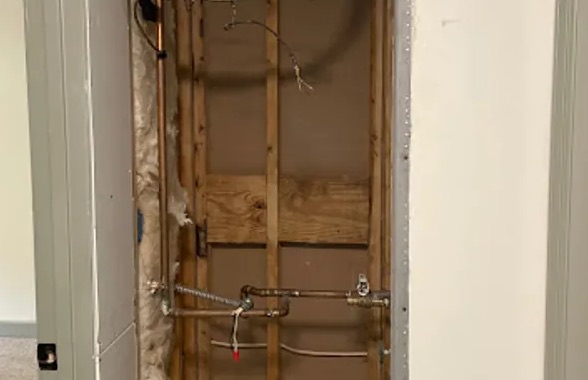
Water Heater Burst Water Removal Services for DuPont
In DuPont, a failed water heater can flood a utility room and the rooms around it, damaging drywall, flooring and belongings.
In DuPont and nearby Steilacoom, Lakewood and Lacey, local water extraction experts handle burst water heaters, removing all the water and drying the area to help prevent mold.
Burst Water Heater Damage Services for DuPont
Emergency Burst Heater Cleanup
Emergency services prioritize immediate action. Local water damage pros respond at any hour to extract water, assess hazards, and secure the area.
Water Heater Burst Water Extraction
The pros in DuPont assess the spill and use high-capacity tools for complete extraction.
Burst Pipe Mold Prevention
Preventing mold is cheaper and safer than remediating it later. After water removal and drying, prevention strategies include controlling humidity and treating susceptible areas with EPA-registered solutions.
Water Damaged Floor Removal
Persistent moisture can destroy flooring adhesives. Floor removal becomes necessary to access and dry the subfloor thoroughly for new installation.
Wet Drywall Removal After Burst
If drywall is soaked with hot water, removal is frequently necessary. Precise cutting removes only damaged panels, preserving undamaged sections.
Signs of Water Damage from a Burst Heater in DuPont
Wet Floors or Baseboards Nearby
Damp flooring or baseboards near the water heater mean water is spreading into the room.
Visible Corrosion on the Tank
Obvious rust or corrosion on the exterior of the tank weakens its structure. This is a major risk factor for a catastrophic water heater flood.
Water Pressure Fluctuations
Uneven hot water pressure can point to problems with the heater or its connections.
Moisture on the Tank or Pipes
Moisture or dampness on the tank or its pipes often comes before a full burst.
How Water Heater Burst Water Removal Works in DuPont
Step 1: Immediate Flood Water Removal Response
The response begins with the urgent task of water heater flood water removal. Using powerful extraction tools, pros quickly remove the bulk of the water to minimize soaking into structural elements.
Step 2: Detailed Damage Evaluation and Documentation
Pros document the damage with photos and moisture readings for your insurance claim before cleanup starts.
Step 3: Strategic Placement of Drying Equipment
Air movers and dehumidifiers are placed to move air across every wet surface in the room.
Step 4: Removal of Non-Restorable Materials
Soggy, non-salvageable materials like damaged flooring and insulation are carefully removed. This water damaged floor removal step eliminates materials that could harbor mold and impede proper drying.
Common Sources of Water Damage in DuPont Homes
High Incoming Water Pressure
Excessively high municipal water pressure entering the home strains all plumbing. The water heater tank is particularly vulnerable to this constant, elevated pressure.
Physical Damage to the Tank
Dents, dings, or impacts from moving objects can compromise the tank's structural integrity. Even minor damage can become the starting point for a major leak.
Corrosion and Rust Over Time
The metal tank corrodes from the inside out due to constant water exposure and chemical reactions.
Faulty or Failing Temperature Valve
A malfunctioning temperature and pressure relief valve cannot release excess pressure. This trapped pressure builds until it forces a rupture in the tank's weakest point.
Residential and Commercial Water Heater Burst Water Removal in DuPont
Residential Water Heater Burst Water Removal
Residential water heater floods often require careful handling of finished basements or adjacent rooms. The process involves water heater burst water extraction, sanitization, and targeted drying to restore normal living conditions safely.
Commercial Water Heater Burst Water Removal
A burst heater in a commercial setting risks slip hazards and code violations. The pros secure the area, extract standing water, and implement drying plans to get the business back to code quickly.
Professional Water Removal vs DIY Cleanup in DuPont
You can use towels to soak up small, accessible puddles around the base of the heater to prevent slipping. Improve ventilation by opening windows if weather permits. Do not attempt to move the water heater or repair the tank yourself. For any significant water spread or moisture in walls, contact the experts for professional drying and damage assessment.
Water Heater Burst Water Removal Cost in DuPont, WA
Factors like the duration of the leak before discovery and the presence of porous materials like drywall affect the total water extraction and drying expense.
Structural Repairs
Any necessary removal and replacement of water-damaged building materials like drywall or flooring is a separate factor in the final cost.
Mold Prevention Measures
Applying antimicrobial treatments to prevent mold growth after a water heater leak adds a line item to the total restoration cost.
Emergency Service Timing
A burst heater requiring immediate 24/7 response, outside standard hours, may incur different service rates for the initial water extraction.
Does Insurance Cover Water Heater Burst Water Removal?
For a burst water heater, insurance may cover the resulting water removal and drying if the cause is a covered peril. The pros meticulously record the scope of hot water leak damage for your adjuster's review.
Why Hire Local Pros for Water Damage in DuPont
Comprehensive Damage Assessment
An initial inspection evaluates the full extent of the burst heater's impact, informing an effective water removal and drying plan.
Advanced Moisture Detection
Moisture meters and thermal cameras map hidden dampness behind walls and under floors so drying is complete.
Documentation for Insurance
Detailed photos and moisture readings are provided, creating a clear record of the damage for your insurance claim process.
24/7 Emergency Water Heater Burst Water Removal in DuPont
Prevent structural harm from a burst pipe or heater. Initiate burst pipe water removal and drying services with a 24/7 call to the pros at (253) 216-4287.
Call Now (253) 216-4287Water Heater Burst Water Removal Available Throughout DuPont
Water heater burst water removal services address the urgent need to extract hot water and dry out rooms in DuPont and nearby areas like Steilacoom, Lakewood and Lacey.
- Water Heater Burst Water Removal in Steilacoom
- Water Heater Burst Water Removal in Lakewood
- Water Heater Burst Water Removal in Lacey
- Water Heater Burst Water Removal in University Place
- Water Heater Burst Water Removal in Parkland
- Water Heater Burst Water Removal in Fircrest
- Water Heater Burst Water Removal in Spanaway
- Water Heater Burst Water Removal in Olympia
- Emergency Damage Restoration in 98327
- Storm Damage Restoration in 98327
- Water Damage Restoration in 98327
- Water Extraction Service in 98327
- Water Leak Detection in 98327
- Water Removal Service in 98327
Water Damage Restoration FAQs
How are belongings handled during water damage cleanup?
Contents are moved to a dry area, cleaned, and dried if possible. The pros can often perform on-site content cleaning as part of the restoration effort.
Is wet drywall removal always necessary after a burst?
Not always. The pros use moisture meters to assess drywall. If it's saturated and cannot be dried thoroughly, removal is needed to prevent mold inside walls.
What equipment is used for hot water leak drying services?
Industrial-grade equipment is used, including truck-mounted or portable extractors, high-velocity air movers, dehumidifiers, and infrared cameras or moisture meters for inspection.
Why is specialized drying needed for a hot water leak?
Hot water can soak into materials faster than cold, so drying needs to reach deeper.
What are the steps for emergency burst heater cleanup?
Steps include stopping the water source, extracting standing water, setting up drying equipment, monitoring moisture levels, and cleaning/disinfecting the area to prepare for repairs.