North Bend, WA · King County
Warehouse Water Damage Restoration in North Bend, WAWarehouse Floor Water Removal & Warehouse Structural Drying
Warehouse Water Damage Restoration in North Bend covers warehouse leak detection repair, warehouse equipment drying, and warehouse water damage cleanup to restore operations.
Answered 24/7
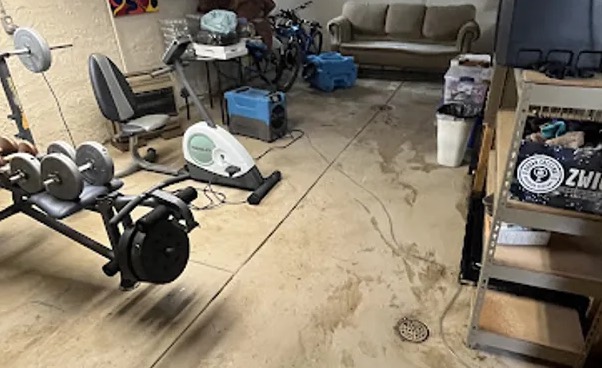
Reliable Warehouse Water Damage Restoration for North Bend Businesses
Untreated water damage in warehouses can weaken floors, damage stored goods, and create hazardous mold, posing significant business risks. Local warehouse water extraction pros prioritize swift action, initiating warehouse water damage cleanup and moisture removal to limit secondary damage.
Warehouses in North Bend need large equipment to dry concrete floors and high walls. Local pros remove the water, dry the building and help protect stock. They also serve places like Snoqualmie, Issaquah and Sammamish.
Warehouse Water Damage Restoration Services in North Bend
Warehouse Floor Water Removal
Pros use specialized equipment to pull trapped moisture from concrete and sealed floors before mold or slab damage sets in.
Warehouse Structural Drying
Industrial structural drying targets moisture in warehouse walls, supports, and slabs. Commercial dehumidifiers and air movers establish drying conditions across the large space. Local warehouse drying specialists in North Bend follow industry-standard protocols, using meters to verify materials are dry.
Warehouse Water Damage Cleanup
The final warehouse cleanup involves sanitizing and deodorizing the restored space. Floors and surfaces are cleaned to remove residues and odors.
Warehouse Mold Remediation
If mold develops in a wet warehouse, remediation protocols are followed. The area is contained, and affected porous materials are removed.
Warehouse Leak Detection Repair
Identifying the leak source is the first step in solving warehouse water damage. A thorough inspection of the building envelope and systems is conducted.
Signs Your Warehouse Needs Water Damage Repair
Active Leak or Dripping
Water coming from a roof, pipe or fixture needs the leak found and stopped now.
Condensation on Equipment
Water beads on metal machinery or control panels show high humidity, risking corrosion and downtime.
Warped or Buckling Floors
A curling slab or failing epoxy coating points to moisture under the floor.
Damp Inventory or Materials
Wet boxes, soggy pallets or damp raw materials mean water is reaching your inventory.
How Warehouse Water Damage Restoration Works in North Bend
Step 1: Flood Water Removal
The first response involves rapid warehouse flood water extraction using truck-mounted or portable systems to clear aisles and work areas of bulk water.
Step 2: Comprehensive Moisture Mapping
Pros use sensors to map moisture levels throughout the warehouse, identifying wet spots in floors and walls to guide the warehouse drying services plan.
Step 3: Targeted Equipment Drying
Machinery and electrical panels near the water get focused drying to limit corrosion and electrical damage.
Step 4: Sanitization and Air Scrubbing
If needed, the area is sanitized, and air scrubbers remove particulates and odors, completing the warehouse water damage cleanup and restoring air quality.
Leading Causes of Water Intrusion in North Bend
Process Equipment Leaks
Cooling lines, hydraulic systems, or wash-down stations can develop leaks, creating localized water damage.
Faulty Drain or Sewer Backup
Blocked floor drains or a municipal sewer backup can send contaminated water into the warehouse.
Plumbing Supply Line Breaks
A burst pipe in restrooms, break rooms, or process water lines leads to significant water loss.
Roof Leaks and Penetrations
Damaged roofing, failed seals around vents or skylights, and storm damage allow water into warehouse spaces.
Industrial-Grade Warehouse Water Damage Restoration in North Bend
Residential Water Damage Restoration
Mostly a commercial service, but local pros can also help homeowners with oversized garages, workshops or storage buildings flooded by appliance failures or storms.
Warehouse Water Damage Restoration
Warehouses, plants and distribution hubs lose money every day a flood halts operations. Pros extract water fast to protect inventory and the structure.
When to Hire Warehouse Drying Specialists for Warehouse Water Damage Restoration
Improving ventilation by opening doors and using fans can help with mild humidity. For serious warehouse moisture removal after a flood, this is insufficient and can spread contaminants; structured drying with air movers and dehumidifiers is needed.
What Affects Warehouse Water Damage Restoration Pricing
Estimating warehouse water damage repair expenses involves assessing damage to racking systems, machinery, and electrical panels. This assessment happens alongside the core restoration work on the building envelope.
Water Volume and Source
Clean water from a broken pipe costs less to extract than contaminated flood water requiring advanced sanitation procedures in the warehouse.
Structural Material Type
Concrete floors and steel framing dry differently than areas with drywall or insulation, affecting the methods and time required.
Emergency Service Timing
A 24/7 response outside standard hours may involve different service rates compared to a scheduled appointment during business hours.
Does Insurance Cover Warehouse Water Damage Restoration?
Industrial water damage restoration is often a covered peril, but policy deductibles, limits, and various exclusions typically apply. Discussing the specific incident with an insurance agent is a necessary step.
Benefits of Local Warehouse Drying Specialists in North Bend
Moisture Documentation
Detailed logs of moisture readings before, during, and after restoration provide a clear record for your reference and any insurance requirements.
IICRC-Standard Methods
The specialists follow industry-standard protocols for moisture mapping, extraction, and drying to help prevent secondary damage in your facility.
Floor Water Removal
Effective warehouse floor water removal addresses both surface water and moisture trapped below the surface or in subflooring materials.
24/7 Emergency Warehouse Water Damage Restoration in North Bend
Major leaks or flooding demand a fast, professional response to prevent structural issues and inventory loss. Dial (253) 216-4287 for emergency water removal, extraction, and drying from the experts around the clock.
Call Now (253) 216-4287Local Warehouse Water Damage Restoration Coverage for Snoqualmie, Issaquah and Sammamish
Warehouse floor water removal and drying are available in North Bend, and places like Snoqualmie, Issaquah and Sammamish.
- Warehouse Water Damage Restoration in Snoqualmie
- Warehouse Water Damage Restoration in Issaquah
- Warehouse Water Damage Restoration in Sammamish
- Warehouse Water Damage Restoration in Maple Valley
- Warehouse Water Damage Restoration in Black Diamond
- Warehouse Water Damage Restoration in Covington
- Warehouse Water Damage Restoration in Fairwood
- Warehouse Water Damage Restoration in Union Hill-Novelty Hill
- Emergency Damage Restoration in 98045
- Storm Damage Restoration in 98045
- Water Damage Restoration in 98045
- Water Extraction Service in 98045
- Water Leak Detection in 98045
- Water Removal Service in 98045
FAQ for Warehouse Water Damage Pros
What does warehouse structural drying involve?
This process uses industrial air movers and dehumidifiers to remove moisture from building materials like concrete, steel, and wall assemblies to dry standards.
Why is warehouse floor water removal challenging?
Water soaks into concrete, so slabs take longer to dry and need dehumidifiers and readings to confirm.
Who decides what warehouse inventory is salvageable after flooding?
The warehouse owner or manager, often in consultation with their insurer and the restoration pros assessing the damage, makes those final decisions.
What are the signs of hidden warehouse water damage?
Look for persistent damp odors, staining on walls or floors, warping of materials, or unexplained corrosion on metal surfaces or equipment.
Does warehouse water damage always lead to mold?
Not always, but mold spores are everywhere; rapid and thorough drying is the most effective way to help prevent them from germinating and growing.