SeaTac, WA · King County
Sewage Water Removal in SeaTac, WASewage Backup Cleanup & Sewage System Clog Clearing
Your Sewage Water Removal needs in SeaTac cover sewage system clog clearing, contaminated carpet removal, and black water extraction service.
Answered 24/7
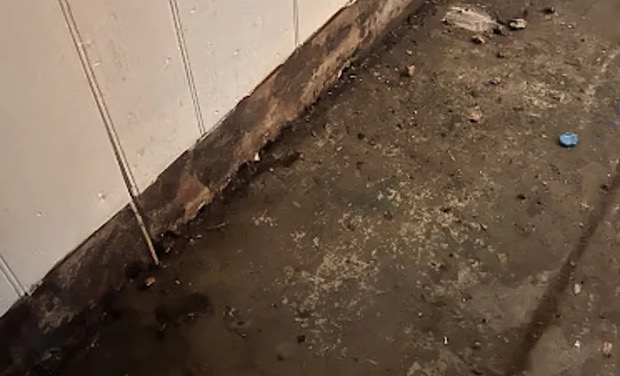
Rapid Sewage Water Removal Response in SeaTac
Black water extraction service in SeaTac must be prompt, as Category 3 water contains unsanitary agents that require immediate removal to limit exposure.
Black water in SeaTac is Category 3 water, full of sewage and germs. Local pros extract and contain it quickly, then sanitize homes and businesses across the area, including Normandy Park, Des Moines and Burien.
Detailed Sewage Water Removal Offerings in SeaTac
Sewage Backup Cleanup
Sewage backup cleanup is not a DIY task due to severe health risks. Professional sewage water removal extracts black water, cleans surfaces, and applies industrial-grade disinfectants.
Sewage System Clog Clearing
Sewage system clog clearing helps create a stable environment for remediation. By stopping the ongoing influx, sewage removal pros focus on extracting standing water and sanitizing.
Sewage Spill Containment
Containing a sewage spill protects unaffected areas from cross-contamination. Professionals secure the site before beginning sewage water extraction and cleaning.
Black Water Extraction Service
All standing sewage is removed, then moisture meters find water that soaked into subfloors and walls and still needs drying.
Sewage Damage Sanitization
After sewage water extraction, thorough sanitization is required for safe re-occupancy. Professionals use hospital-grade disinfectants on floors, walls, and salvageable contents.
Signs of a Sewage Backup in SeaTac
Sewage Overflow During Use
Immediate backup when using fixtures confirms an active clog, a situation for sewage system clog clearing.
Black Water in Toilets
Toilets overflowing with unsanitary black water signal a main line clog, a serious sewage spill requiring containment.
Discolored Carpet or Flooring
Stains or damp spots in carpet near a drain may come from a hidden sewage backup. Contaminated carpet usually has to be removed.
Sewage Pooling in Yard
Wet spots or effluent surfacing in the yard indicates a broken sewer pipe, causing sewage water damage outdoors.
How Sewage Water Removal Works in SeaTac
Step 1: 24/7 Sewage Emergency Response
A fast response is initiated to address the hazardous situation. Sewage removal pros come equipped to immediately begin containing the spill and protecting your property.
Step 2: Source Identification and Clog Clearing
Pros work to identify the cause, often performing sewage system clog clearing to stop the inflow.
Step 3: Comprehensive Sewage Water Removal
Every gallon of contaminated water is extracted. This sewage removal process uses powerful equipment to pull moisture from flooring, padding, and subfloors.
Step 4: Disinfection and Restoration Prep
The area undergoes a multi-stage sewage damage sanitization. Once clean and dry, the space is prepared for any necessary rebuilds, concluding the sewage cleanup.
What Causes Sewage Damage in SeaTac
Vandalism or Accidental Damage
A pipe struck during digging or deliberate tampering can break a sewer line and send waste into the property.
Aging or Collapsed Sewer Pipes
Old, corroded, or broken pipes leak sewage into the ground or foundation, leading to extensive sewage water damage.
Municipal Sewer System Overload
Heavy rainfall or system failures can overwhelm public sewers, forcing contaminated water back into residential properties.
Main Sewer Line Blockages
Tree roots, grease, or foreign objects can completely obstruct the main line, causing sewage backup into the home.
Both Residential & Commercial Sewage Water Removal in SeaTac
Residential Sewage Water Removal
Sewage water damage in residences requires careful extraction and disinfection. The experts use industry-standard methods for black water removal from floors and carpets.
Commercial Sewage Water Removal
Commercial sewage cleanup often involves larger-scale extraction and faster drying to resume business. The pros manage sewage system clog clearing and sanitization in warehouses, medical facilities, or multi-tenant buildings, coordinating around business hours when possible.
Hiring Sewage Damage Restoration Pros vs. DIY Sewage Cleanup
After pros extract and sanitize, keep their fans and dehumidifiers running and the area ventilated. Do not remove the equipment early or treat the odor with store-bought chemicals.
Understanding Sewage Cleanup Cost in SeaTac
In SeaTac, cost depends on how contaminated the water is, how long it has been standing and how much sanitizing the space needs.
Source of Contamination
A main sewer line backup involves more hazardous black water and wider contamination than an isolated toilet overflow, impacting safety protocols and cleanup scope.
Odor Neutralization Scope
Strong odors may need air scrubbers and extra treatment, which adds to the cost.
Documentation for Claims
Thorough photo and moisture logging for your insurer's review is a standard, detailed step that factors into the overall service time.
Does Insurance Cover Sewage Water Removal?
Whether sewage removal is covered often relates to the source, a toilet overflow inside may differ from an external sewer main break. The pros follow industry-standard methods and document each step meticulously for your insurance review.
Selecting Sewage Damage Restoration Pros for Sewage Issues in SeaTac
Comprehensive Odor Neutralization
Beyond cleaning, advanced deodorization techniques tackle persistent sewage smells at the source, not just masking them with fragrances.
Detailed Damage Documentation
Systematic photo and data logging creates a clear record for your reference and any potential insurance claim review.
Black Water Extraction Focus
Specialized pumps and extractors remove Category 3 contaminated water swiftly, the critical first step in any sewage cleanup process.
Urgent Sewage Water Removal Response for SeaTac
A clogged sewer can cause a sudden backup. If sewage is in your home, call (253) 216-4287 for emergency cleanup and water extraction.
Call Now (253) 216-4287Sewage Water Removal Serving SeaTac, Normandy Park, Des Moines and Burien
In SeaTac, sewage backup cleanup follows strict safety steps. The same help is available in surrounding areas such as Normandy Park, Des Moines and Burien.
- Sewage Water Removal in Normandy Park
- Sewage Water Removal in Des Moines
- Sewage Water Removal in Burien
- Sewage Water Removal in Bryn Mawr-Skyway
- Sewage Water Removal in Renton
- Sewage Water Removal in White Center
- Sewage Water Removal in Fairwood
- Sewage Water Removal in Mercer Island
- Emergency Damage Restoration in 98158
- Storm Damage Restoration in 98158
- Water Damage Restoration in 98158
- Water Extraction Service in 98158
- Water Leak Detection in 98158
- Water Removal Service in 98158
- Emergency Damage Restoration in 98188
- Storm Damage Restoration in 98188
Sewage Water Removal FAQs
How long does sewage water removal typically take?
The timeline varies by spill size and depth. Extraction may take hours, but full drying and sanitization can require several days, depending on material saturation and air circulation.
Can a sewage backup cause mold growth later?
Yes, if drying is incomplete. Moisture left inside walls or under floors after a sewage backup can lead to mold, so drying is checked with meters.
When is black water extraction service required?
It's required for Category 3 water containing untreated sewage, chemical, or biological contaminants. This hazardous water must be extracted with specialized equipment before any cleanup or drying.
What is involved in sewage backup cleanup?
The process starts with extracting the black water, then contains the spill, removes contaminated porous materials, sanitizes all surfaces with antimicrobials, and thoroughly dries the structure to prevent mold.
Why is sewage contamination cleanup a health priority?
Sewage contains harmful bacteria, viruses, and parasites. Prompt professional cleanup is a health priority to eliminate these pathogens and prevent illness or long-term exposure risks in the home.