Sultan, WA · Snohomish County
Septic Tank Backup Water Removal in Sultan, WAEmergency Septic Backup Response & Septic System Water Damage Repair
Septic Tank Backup Water Removal in Sultan encompasses septic backup sewage cleanup, septic backup odor removal, and septic tank drain backup cleanup for residential properties.
Answered 24/7
Professional Septic Tank Backup Water Removal in Sultan, WA
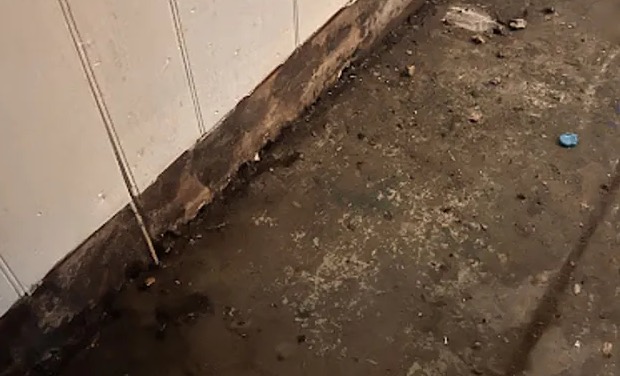
Septic tank flooding in Sultan presents a serious health risk due to pathogens and gases from the backup. The contaminated water can ruin flooring, drywall and personal belongings if not removed promptly.
Septic tank backup water removal services in Sultan are vital for homes that rely on septic systems, which can fail due to blockages or heavy use. Properties in nearby areas like Monroe, Duvall and Snohomish also face similar risks from septic overflows.
Complete Septic Tank Backup Water Removal Solutions in Sultan
Emergency Septic Backup Response
The fast emergency response from water damage restoration pros aims to contain the health hazard and limit secondary damage like mold growth. Initial actions focus on securing the area and removing the sewage water.
Septic System Water Damage Repair
Repair work addresses structural components like floor joists or wall studs compromised by contaminated water. Repairs follow once the area is clean and dry.
Septic Tank Drain Backup Cleanup
Cleanup for a septic tank drain backup in Sultan involves clearing blockages and removing all contaminated water from the plumbing system. Local cleanup specialists then sanitize the drain lines and fixtures.
Septic Overflow Decontamination
For a septic overflow, local water damage pros perform a full decontamination to neutralize biohazards. This service prepares the structural materials for any necessary repairs or reconstruction work.
Septic Backup Odor Removal
Odor removal after a septic backup in Sultan targets the source of the smell within porous materials and the air.
Warning Signs You Need Septic Tank Backup Water Removal
Overflow From Septic Tank Lid Area
Visible effluent or wet soil around the septic tank access lid is a clear sign the tank is full and septic system water removal is required.
Toilets Flush Slowly or Not at All
Weak flushing action or water rising to the rim indicates a severe septic line backup. This is a common trigger for emergency septic backup response.
Gurgling Sounds From Plumbing Vents
Bubbling or gurgling noises from roof vents or inside drains often precede visible septic tank flooding. Air is trapped by a blockage in the line.
Water Backs Up in Lowest Fixtures
Sewage or water appearing in a basement shower or floor drain is a classic sign of septic tank backup water removal being urgently needed.
How Septic Tank Backup Water Removal Works in Sultan
Step 1: Rapid Septic Backup Response
The pros start with an emergency response and a first look at how far the sewage spread.
Step 2: Contaminated Water Removal
Extraction equipment removes the sewage and contaminated water before it spreads further.
Step 3: Sewage Cleanup and Sanitizing
Surfaces are disinfected and deodorized so no bacteria or smell is left behind.
Step 4: Damage Documentation and Repair
The damage is documented for your insurance claim, and repairs restore the affected rooms.
Frequent Sources of Septic System Water Damage
Compacted Soil Over the Drain Field
Heavy vehicles or structures parked above the leach field prevent proper drainage. This compaction causes backups.
Damaged or Collapsed Drain Field
When the drain field fails, water has nowhere to go and backs up into the house again and again.
Old Age and General System Deterioration
Corroded pipes, cracked tanks and failed seals eventually let sewage back into the home.
Excessive Water Usage Overloading System
Too much water entering the tank at once can overwhelm it and send sewage back into the home.
Septic Tank Backup Water Removal for Homes and Businesses in Sultan
Residential Septic Tank Backup Water Removal
A septic backup in a home can soak subfloors, cabinets and belongings. The pros extract the sewage, remove what cannot be cleaned, disinfect and dry, and document the damage for your claim.
Commercial Septic Tank Backup Water Removal
Offices and multi-tenant buildings on septic systems need backups cleaned up with little disruption. The pros contain the area, extract the sewage and run air scrubbers for odor.
Septic Tank Backup Water Removal vs. DIY: When to Call Water Damage Restoration Pros
Ventilate the area by opening windows if it's safe to do so, but avoid using household fans which can aerosolize contaminants. You can move uncontaminated belongings from the affected area.
Understanding Septic Tank Backup Water Removal Expenses in Sultan
Your septic backup cleanup cost depends on how much sewage must be removed and the hours of labor needed.
Structural Repairs
Any necessary septic system water damage repair, such as replacing subflooring or wall structures, is a separate line item in the restoration process.
Emergency Response Timing
A septic backup emergency service call during nights, weekends, or holidays may involve different service rates due to the immediate mobilization required.
Decontamination Procedures
Thorough septic overflow decontamination involves specialized antimicrobial agents and cleaning processes, which contribute to the overall material and labor costs.
Does Insurance Cover Septic Tank Backup Water Removal?
Whether insurance covers septic backup sewage cleanup depends on your policy's language regarding sewer or septic line backups. Some policies require a specific rider or endorsement for this type of water damage.
Benefits of Local Water Damage Restoration Pros for Septic Tank Backup Water Removal
Thorough Drain Backup Cleanup
The process addresses the septic tank drain backup completely, cleaning the affected plumbing fixtures and surrounding areas.
IICRC-Standard Decontamination
Septic overflow decontamination follows industry protocols to neutralize harmful pathogens and bacteria, making the affected area safe again.
System Damage Assessment
The pros inspect for hidden septic system water damage repair needs behind walls or under floors.
Emergency Septic Backup Help in Sultan
Sewage coming up from a septic backup should not wait. Stop using water in the house and call (253) 216-4287 at any hour for cleanup.
Call Now (253) 216-4287Local Septic Tank Backup Water Removal for Monroe, Duvall and Snohomish
Septic backup cleanup is available throughout Snohomish County. From Sultan to areas like Monroe, Duvall and Snohomish, the pros remove sewage and disinfect the affected rooms.
- Septic Tank Backup Water Removal in Monroe
- Septic Tank Backup Water Removal in Duvall
- Septic Tank Backup Water Removal in Snohomish
- Septic Tank Backup Water Removal in Cottage Lake
- Septic Tank Backup Water Removal in Silver Firs
- Septic Tank Backup Water Removal in Woodinville
- Septic Tank Backup Water Removal in Granite Falls
- Septic Tank Backup Water Removal in Lake Stevens
- Emergency Damage Restoration in 98294
- Storm Damage Restoration in 98294
- Water Damage Restoration in 98294
- Water Extraction Service in 98294
- Water Leak Detection in 98294
- Water Removal Service in 98294
Your Septic Tank Backup Water Removal Questions Addressed
What areas need septic line backup water removal?
Any area where sewage has surfaced, usually bathrooms, basements or utility rooms near drain lines.
What does septic overflow decontamination involve?
The process uses EPA-registered disinfectants and antimicrobial cleaners on all affected surfaces to kill bacteria and viruses, ensuring the area is sanitized and safe for reoccupation after the cleanup.
Why is septic water damage documentation important?
Photos and moisture readings create a record for your insurance claim that shows the extent of the loss.
Is residential septic backup cleanup a DIY job?
No. Sewage exposure is a serious biohazard risk. Professional septic backup cleanup specialists have the training, equipment, and protective gear to handle contamination safely and effectively.
What's included in emergency septic backup response?
The pros contain the hazard, extract the septic water, assess the damage and start cleanup and drying.