Newcastle, WA · King County
Industrial Dehumidification in Newcastle, WAWarehouse Moisture Control & Structural Drying Services
Industrial Dehumidification in Newcastle includes emergency water removal, commercial water damage cleanup and industrial flood damage restoration.
Answered 24/7
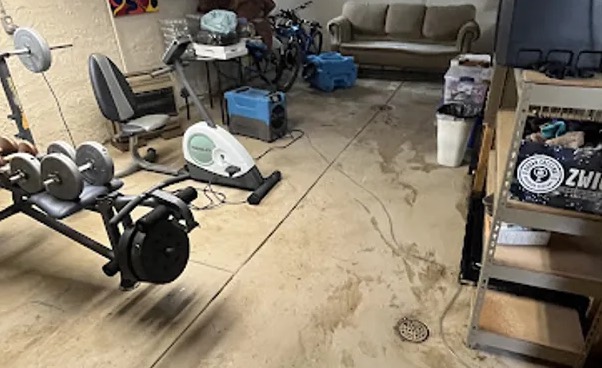
Industrial Drying Services for Newcastle Properties
Data centers, storage rooms and archives need stable humidity. After water damage, condensation and corrosion can harm equipment and records.
Industrial dehumidification is a priority for large facilities in Newcastle and nearby areas like Mercer Island, Renton and Bryn Mawr-Skyway. Whether dealing with a burst pipe or ongoing humidity issues, local water damage pros apply commercial dehumidification techniques.
Industrial Dehumidification Solutions for Newcastle
Warehouse Moisture Control
Managing warehouse air quality requires continuous moisture removal. Systems run to prevent rust on metal shelving and spoilage of goods.
Structural Drying Services
Drying the structure after a leak means getting studs, joists and slabs dry, not just the air in the room.
Mold Remediation Services
Persistent moisture often leads to mold growth. Industrial dehumidification pros first dry the structure thoroughly. Affected surfaces are then cleaned.
Industrial Humidity Reduction Systems
The experts implement industrial dehumidification systems that operate reliably to meet strict environmental specs. Steady humidity protects sensitive equipment and stored records.
Emergency Water Removal
After a flood, standing water has to come out first. Pumps and extractors remove it so drying can begin.
When to Call for Industrial Dehumidification in Newcastle
Elevated Humidity Levels
Sticky air and condensation on windows or metal surfaces mean humidity in the building is too high.
Condensation on Pipes
Sweating pipes and ducts drip water and raise the humidity in the space even further.
Peeling Adhesives or Labels
Boxes losing their shape and labels peeling off mean the storage area is holding too much moisture.
Noticeable Water Pooling
Standing water in a warehouse or industrial space needs to be removed before drying can start.
How Industrial Dehumidification Works in Newcastle
Step 1: Initial Water Damage Cleanup
Pumps and extractors remove the visible water to stop more damage and remove slip hazards.
Step 2: Establish Drying Environment
The area is closed off and dehumidifiers lower the humidity so moisture leaves the materials.
Step 3: Execute Structural Drying Plan
Air movers push air across wet surfaces so the water evaporates and the dehumidifiers collect it.
Step 4: Final Dryness Verification
The job ends when readings show the structure and contents are back to normal dryness.
Sources of Moisture in Industrial and Commercial Buildings
Groundwater Intrusion and Saturation
Poor drainage around the building can let water seep up through the floor.
Foundation Cracks and Seepage
Groundwater pushed up through cracks in slabs and walls keeps lower areas damp.
Burst Pipes or Plumbing Leaks
Failed supply lines, faulty fittings, or cracked pipes can release thousands of gallons.
Process Water or Chemical Spills
Industrial processes that use liquids carry a constant risk of accidental spills and releases.
Residential and Commercial Industrial Dehumidification in Newcastle
Residential Industrial Dehumidification
Storm-driven water needs fast action to save belongings and building materials. The pros extract the water 24/7 and document the damage for your claim.
Commercial Industrial Dehumidification
A flooded warehouse or production floor halts business. Fast water removal and commercial dehumidification shorten the time the space is out of use.
Industrial Dehumidification vs. Do-It-Yourself in Newcastle
Turning off the main water supply to stop an active leak is a sensible first step any property owner can take. Measuring how far the water spread and planning the drying, though, takes professional meters and industrial equipment.
Industrial Dehumidification Pricing in Newcastle
In Newcastle, the type of water, whether clean, gray or black, changes the cleanup steps and the cost.
Water Contamination Level
Clean, gray and black water need different safety steps and cleanup methods.
Equipment Quantity
The number of dehumidifiers, air movers and meters needed grows with the size of the flood.
Mold Remediation Needs
If mold is found, containment, removal and air scrubbing are added to the job.
Does Insurance Cover Industrial Dehumidification?
The pros provide the necessary documentation, including logs and moisture data, that the insurer typically needs to process and adjudicate the property owner's claim.
The Value of Local Pros for Industrial Dehumidification in Newcastle
Detailed Moisture Documentation
Meters and sensors track humidity and moisture, so you can see drying progress day by day.
Structural Material Knowledge
Concrete, wood and drywall dry at different rates, and the plan accounts for each.
Humidity Reduction Systems
Dehumidifiers can stay in place until humidity in the building is stable.
Emergency Flood Response in Newcastle
A burst pipe or equipment failure can flood a building and stop work. Call (253) 216-4287 for 24/7 help with industrial flood cleanup in Newcastle.
Call Now (253) 216-4287Industrial Dehumidification Available Throughout Newcastle, Mercer Island, Renton and Bryn Mawr-Skyway
Large-scale drying and emergency water removal keep businesses running. Local pros serve Newcastle and the vicinity, including communities like Mercer Island, Renton and Bryn Mawr-Skyway.
- Industrial Dehumidification in Mercer Island
- Industrial Dehumidification in Renton
- Industrial Dehumidification in Bryn Mawr-Skyway
- Industrial Dehumidification in Issaquah
- Industrial Dehumidification in Bellevue
- Industrial Dehumidification in Clyde Hill
- Industrial Dehumidification in Medina
- Industrial Dehumidification in Sammamish
Industrial Dehumidification FAQs for Newcastle Property Owners
What tools do commercial drying experts use for moisture control?
Local pros use an array of tools including penetrating and non-penetrating moisture meters, thermal imaging cameras, industrial-grade dehumidifiers, and high-volume air movers.
What happens during the property restoration process?
Property restoration involves drying structural materials, cleaning affected surfaces and contents, and sometimes repairing or replacing damaged components after water intrusion.
What is industrial dehumidification?
It is removing excess moisture from the air and materials in commercial or industrial buildings after water damage, using large dehumidifiers.
Why is fast water extraction so important?
Removing water quickly keeps it from soaking deeper, shortens drying and lowers the risk of mold and warping.
What areas need drying after a warehouse flood?
All wet areas: floors, walls, stored contents and often the subfloor and insulation as well.