HVAC Leak Water Removal in Lynden, WA
Trusted by 150+ Homeowners
- Over 150 5-Star Reviews
- Free Estimates and Quotes
- 100% Satisfaction Guaranteed
- Child, Family & Pet Safe Steps
- 24-Hour Emergency Service
- Fully Licensed & Insured
- Call
- We arrive
- Restored

Lynden, WA’s Most Common Summer Storms Can Leave You with a Flooded HVAC System
Flooding is a major concern in Lynden, WA, especially during the summer months. Heavy rainfall can cause your HVAC system to leak, leading to water damage and costly repairs. You’re probably wondering what to do when this happens. Our team has seen its fair share of flooded HVAC systems, and we’re here to help you prevent and address this issue.
With over 165+ five-star reviews, you can trust our team to be your go-to experts for HVAC leak water removal in Lynden, WA. Our customers choose us because we have a deep understanding of the local climate and its impact on HVAC systems. We’ll work with you to ensure your property is protected and restored to its original condition.
- We’ll help you prevent future leaks by identifying and fixing any underlying issues with your HVAC system.
- Our team uses specialized equipment to remove standing water and dry out your HVAC system, preventing further damage.
- We’ll work with your insurance company to ensure a smooth claims process and get you the coverage you deserve.
How Our Team Handles HVAC Leak Water Removal
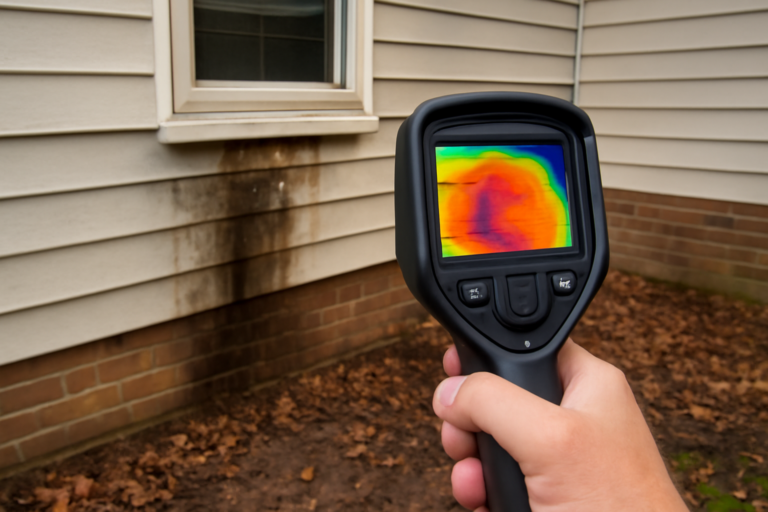
Our team’s process for handling HVAC leak water removal is meticulous and effective. We’ll start by assessing the extent of the damage and identifying the source of the leak. Our technicians will then use specialized equipment to remove standing water and dry out your HVAC system. This is crucial in preventing further damage and ensuring your system is restored to its original condition.
Step 1: Assessing the Damage
We’ll begin by inspecting your HVAC system to find out the extent of the damage. Our team will identify any areas that need attention and create a plan to rectify the issue. This step is crucial in ensuring that we address the root cause of the problem and prevent further damage.
Step 2: Removing Standing Water
Our team will use specialized equipment to remove standing water from your HVAC system. This includes extractors, pumps, and drying equipment that are designed to quickly and effectively remove water from your system.
Step 3: Drying Out the System
Once the standing water has been removed, our team will focus on drying out your HVAC system. This includes using specialized equipment to remove any remaining moisture and prevent further damage. We’ll also use desiccants and other materials to help speed up the drying process.
Step 4: Cleaning and Disinfecting
Once your system is dry, our team will clean and disinfect all surfaces to prevent the growth of mold and mildew. This is crucial in ensuring that your system is safe to use and that any potential health risks are mitigated.
Step 5: Testing and Inspecting
Finally, our team will test and inspect your HVAC system to ensure that it’s working properly and that there are no remaining issues. We’ll also provide you with a report outlining the work we’ve done and any recommendations for future maintenance.
Don’t wait until it’s too late, contact us today to schedule an appointment and ensure your HVAC system is protected from water damage.

Warning Signs You Need HVAC Leak Water Removal
Catching water damage early on can save you money and prevent bigger problems down the line. Here are some warning signs you should look out for:
Musty Odors That Won’t Go Away
If you notice a musty smell coming from your HVAC system that won’t go away, it’s a sign that there’s moisture present. This can lead to mold and mildew growth, which can spread to other areas of your home and cause serious health issues.
Water Stains on Your Ceiling or Walls
Water stains on your ceiling or walls are a clear indication that there’s a leak somewhere in your HVAC system. This can cause structural damage and lead to costly repairs if left unchecked.
Unusual Noises from Your HVAC System
If your HVAC system is making unusual noises, such as clunking or gurgling sounds, it may be a sign that there’s a leak or issue with your system. This can lead to further damage and costly repairs if left unchecked.
Water Pooling Around Your HVAC Unit
Water pooling around your HVAC unit is a clear indication that there’s a leak somewhere in the system. This can cause damage to your unit and surrounding areas, leading to costly repairs if left unchecked.
High Utility Bills
High utility bills may be a sign that there’s an issue with your HVAC system, such as a leak or inefficiency. This can lead to further damage and costly repairs if left unchecked.
Increased Humidity Levels
Increased humidity levels in your home can be a sign that there’s a leak or issue with your HVAC system. This can lead to mold and mildew growth, which can spread to other areas of your home and cause serious health issues.
HVAC Leak Water Removal vs. DIY: When To Call a Professional
| Situation | DIY? | Call a Pro? | Why |
|---|---|---|---|
| Small leak in the system, easily fixable | Yes | No | DIY can be effective for small leaks, but for larger issues, it’s best to call a professional. |
| Large-scale flooding or damage | No | Yes | DIY may not be effective for large-scale flooding or damage, and can lead to further issues if not addressed properly. |
| High-risk areas, such as electrical or gas systems | No | Yes | DIY may not be effective for high-risk areas, and can lead to serious injury or death if not addressed properly. |
| Uncertain about the extent of the damage | No | Yes | DIY may not be effective for uncertain situations, and can lead to further issues if not addressed properly. |
| Concerned about mold or mildew growth | No | Yes | DIY may not be effective for mold or mildew growth, and can lead to serious health issues if not addressed properly. |
Don’t risk your health and safety, call a professional to handle your HVAC leak water removal needs.
HVAC Leak Water Removal Cost In Lynden, WA
The cost of HVAC leak water removal in Lynden, WA, can vary depending on the severity of the damage, size of the affected area, and local conditions. We offer free estimates and will work with your insurance company to ensure a smooth claims process.
| Service | Typical Price Range | What Affects Cost |
|---|---|---|
| Assessment and Inspection | $200 – $500 | Severity of the damage, size of the affected area |
| Water Removal and Drying | $500 – $2,000 | Amount of standing water, size of the affected area |
| Cleaning and Disinfecting | $200 – $500 | Severity of the damage, size of the affected area |
| Testing and Inspection | $100 – $300 | Severity of the damage, size of the affected area |
| Report and Recommendations | $0 – $100 | Severity of the damage, size of the affected area |
Exact pricing will depend on an on-site assessment and free estimates are available.
Service Areas Near Lynden, WA
We serve the following areas near Lynden, WA:
Lynden, WA, Bellingham, WA, Blaine, WA, Birch Bay, WA, Deming, WA, Ferndale, WA, Lynden, WA, and surrounding areas.
Common Questions About HVAC Leak Water Removal
Will my insurance cover the cost of HVAC leak water removal?
Yes, many insurance policies cover the cost of HVAC leak water removal. We’ll work with your insurance company to ensure a smooth claims process and get you the coverage you deserve.
How long will it take to complete the job?
The length of time it takes to complete the job will depend on the severity of the damage, size of the affected area, and local conditions. We’ll provide you with a detailed timeline and ensure that the job is completed as quickly and efficiently as possible.
What equipment will be used to remove standing water?
We’ll use specialized equipment, including extractors, pumps, and drying equipment, to remove standing water from your HVAC system.
What about mold and mildew growth?
We’ll take every precaution to prevent mold and mildew growth, including using specialized equipment and materials to dry out your system and prevent moisture buildup.
Can I do the job myself?
While DIY may be effective for small leaks, it’s best to call a professional for larger issues or high-risk areas. Our team has the training and experience to handle even the most complex HVAC leak water removal jobs.
Check Our Other Relevant Services
Serving Lynden, WA And Nearby Areas