Federal Way, WA · King County
HVAC Leak Water Removal in Federal Way, WAHVAC Cabinet Water Extraction & AC Condensate Leak Water Removal
HVAC Leak Water Removal in Federal Way handles coil leak water damage repair, HVAC drain line flood cleanup and moisture remediation for HVAC systems.
Answered 24/7
HVAC Leak Water Removal Solutions in Federal Way
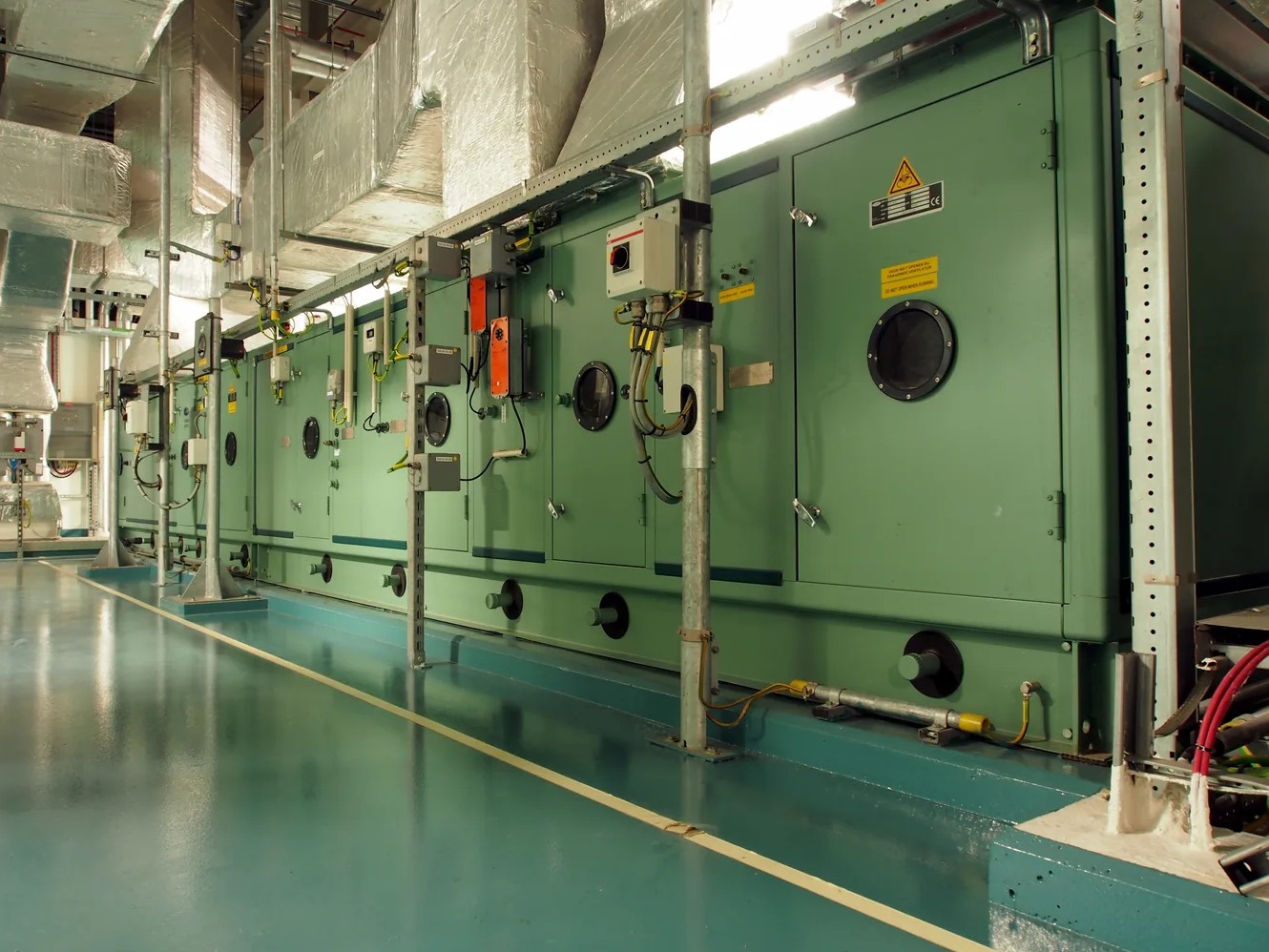
A leaking AC unit in Federal Way can fill the air handler cabinet and spill onto the floor around it. Water near wiring is a shock risk, so the power should be off before anyone works there.
When an HVAC leak occurs in Federal Way, water needs to come out quickly to protect interior finishes and electrical systems. Local water removal pros serve this community and nearby areas like Lakeland North, Lakeland South and Algona, extracting water around the unit and drying wet ductwork before damage spreads.
HVAC Leak Water Removal Services in Federal Way
HVAC Cabinet Water Extraction
A leak from a coil or connection fills the air handler cabinet bottom. Extraction experts remove this water to prevent mold inside ducts.
AC Condensate Leak Water Removal
An overflowing secondary pan from a blocked drain line creates a steady leak. Water extraction experts remove the water to protect the HVAC cabinet and subfloor.
Wet Insulation Removal Near HVAC
Wet attic insulation near ductwork or an air handler often must be removed. The pros assess the wetness and remove affected sections.
Ductwork Condensation Water Removal
Cold air inside ducts meeting warm, humid air causes sweating and droplets. Condensation soaks insulation and damages ceiling materials.
HVAC Drain Line Flood Cleanup
A broken drain line can flood a mechanical room or closet. The water is contained and extracted before it reaches flooring and equipment nearby.
Indicators for HVAC Leak Water Removal in Federal Way Homes
Unusual Sounds From the AC Unit
Gurgling, dripping, or hissing noises from the indoor unit frequently accompany a condensate drainage failure.
Visible Rust on Metal Components
Rust forming on the evaporator coil cabinet, drain pan, or supports indicates prolonged moisture exposure.
Wet or Sagging Insulation Nearby
Damp insulation around an attic unit or in nearby walls holds water against the drywall and framing.
AC Drain Line Overflowing
Water spilling from the condensate drain line or its overflow port means the drain is blocked and needs attention now.
How HVAC Leak Water Removal Works in Federal Way
Step 1: Immediate Water Containment
The leak is contained first, then extractors pull water out of the HVAC cabinet and off the floor around it.
Step 2: HVAC Component Damage Evaluation
Wet parts like the drain pan, coil area and controls are noted so an HVAC contractor knows what to check or replace.
Step 3: Structural Drying Protocol
Drying equipment targets wet walls, subfloor and insulation near the unit so damage does not spread.
Step 4: Air Quality Sanitization
Once everything is dry, the cabinet area and nearby surfaces are cleaned to remove odor and residue.
What Causes HVAC Leaks Needing Water Removal in Federal Way
Improper HVAC System Slope
An air handler or drain line installed without correct pitch prevents gravity-driven water flow to the drain.
Excessive Ductwork Condensation
Poorly insulated ducts in humid spaces sweat and drip water into walls, ceilings and insulation.
Obstructed Air Filter or Ducts
Badly restricted airflow lets frost build on the cold coil, and the water floods the pan when it melts.
Frozen Evaporator Coil Thawing
A coil freezing due to low refrigerant or airflow can release large volumes of water upon thawing.
HVAC Leak Water Removal for All Properties in Federal Way
Residential HVAC Leak Water Removal
In homes with basements or a second-floor unit, an overflow can soak finished rooms below. The water is extracted and the ceiling, walls and floor are dried.
Commercial HVAC Leak Water Removal
In commercial buildings, the experts tackle HVAC drain line flood cleanup affecting server rooms, drop ceilings, and stock areas. They use industrial extractors and dehumidifiers for extraction and structural drying.
When DIY Fails for HVAC Leak Water Removal in Federal Way
A hygrometer can show if indoor humidity is too high, and keeping supply vents open helps airflow. If you see mold inside ducts or smell something musty, DIY cleaning will not reach it. Call (253) 216-4287 for drying help.
Factors in HVAC Leak Water Removal Cost for Federal Way
For AC water damage, the number of drying days and the number of air movers and dehumidifiers drive most of the cost. HVAC repairs are billed separately.
HVAC System Accessibility
Units in tight closets or attics take more labor to reach, clean around and dry.
Post-Extraction Repairs
Some jobs need small drain line or insulation repairs after drying, which are priced separately.
Emergency Service Timing
HVAC leak cleanup started at night, on weekends or on holidays may be billed at a different rate.
Does Insurance Cover HVAC Leak Water Removal?
Flooded HVAC unit cleanup may be covered if the water source is a covered peril in your policy, such as overflow from an appliance. The pros provide photos and readings for your insurance claim.
Benefits of Local Water Damage Pros for HVAC Leak Water Removal in Federal Way
Component-Safe Water Removal
Work around the unit is done carefully so coils, wiring and control boards are not damaged further.
IICRC-Standard Drying Methods
Drying follows industry standards so the unit area, ducts and walls are dry before the system runs again.
24/7 Emergency Response
Getting to a leaking AC early limits how far water spreads and how much it rusts parts in the unit.
Urgent HVAC Leak Water Removal Response in Federal Way
Time is critical when dealing with wet ductwork from a coil leak. To initiate emergency HVAC water extraction and drying, call the pros at (253) 216-4287.
Call Now (253) 216-4287Areas Served for HVAC Leak Water Removal from Federal Way
Emergency water removal around a flooded HVAC unit is available throughout Federal Way and nearby communities, including Lakeland North, Lakeland South and Algona. Fast response limits damage to sensitive components.
- HVAC Leak Water Removal in Lakeland North
- HVAC Leak Water Removal in Lakeland South
- HVAC Leak Water Removal in Algona
- HVAC Leak Water Removal in Milton
- HVAC Leak Water Removal in Auburn
- HVAC Leak Water Removal in Pacific
- HVAC Leak Water Removal in Des Moines
- HVAC Leak Water Removal in Fife
- Emergency Damage Restoration in 98003
- Storm Damage Restoration in 98003
- Water Damage Restoration in 98003
- Water Extraction Service in 98003
- Water Leak Detection in 98003
- Water Removal Service in 98003
- Emergency Damage Restoration in 98023
- Storm Damage Restoration in 98023
Frequently Asked Questions About HVAC Leak Water Removal
Can I run my AC after a condensation leak?
No. Running the system while it leaks can spread water further and cause electrical shorts.
What causes an HVAC drain line to flood?
Algae, sludge or debris clog the condensate drain and the pan overflows. A disconnected or cracked drain line can also send water onto the floor.
What is involved in HVAC leak water removal?
Stopping the leak, extracting standing water, drying the ducts, cabinet area, walls and floor, and checking for hidden moisture with meters.
How is moisture removed from HVAC ductwork?
Air movers and dehumidifiers dry the area around the ducts. Duct sections or lining that stayed wet may need cleaning or replacing by an HVAC contractor.
How long does wet ductwork drying typically take?
It depends on how much water there is and how easy it is to reach. Most jobs take two to four days of drying with commercial equipment.