Pacific, WA · King County
High-Velocity Air Mover Drying in Pacific, WABasement Water Drying & Hardwood Floor Drying
High-Velocity Air Mover Drying in Pacific includes wall cavity drying, hardwood floor drying and basement water drying.
Answered 24/7
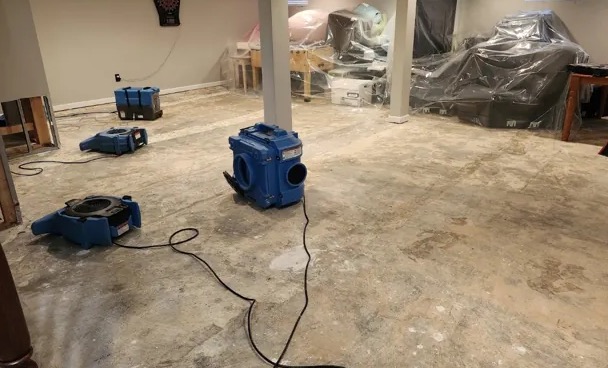
High-Velocity Air Mover Drying Solutions in Pacific, Washington
In Pacific, starting high-velocity air mover drying early can be the difference between a quick dry-out and a remodel. Water wicks into drywall and insulation fast.
In Pacific and nearby locales like Algona, Lakeland South and Auburn, high-velocity air mover drying is a targeted way to reach specific drying goals. After extraction, air movers are set to create cross-flow over wet floors and walls. Dehumidifiers then pull the evaporated water out of the air.
High-Velocity Air Mover Drying and Related Services in Pacific
Basement Water Drying
Drying a basement after water gets in takes several steps, and air movers are the main tool for drying floors and walls.
Hardwood Floor Drying
Local drying specialists in Pacific utilize air mover systems to generate consistent, high-volume airflow that pulls moisture out of the wood, helping to restore its original condition and finish.
Equipment Assisted Drying
Professional drying employs a combination of tools. High-velocity air movers provide the airflow, while other equipment monitors and extracts moisture from the air.
Residential Flood Drying Services
In homes, air movers set up directed airflow that draws water out of drywall, wood and carpet pad.
Commercial Building Air Mover Drying
For commercial spaces in Pacific, air movers and dehumidifiers work together to pull moisture out of floors and lower walls after a leak.
Indicators for High-Velocity Air Mover Drying in Pacific, WA
Efflorescence on Concrete Surfaces
White, powdery deposits on basement walls or floors are minerals left by evaporating water, a sign of ongoing moisture.
Wet Spots on Walls or Ceilings
Damp patches or discoloration on drywall mean water is inside the wall cavity.
Visible Warping or Buckling Floors
Warped or buckled wood floors or baseboards mean moisture is trapped in the wood or the subfloor beneath.
Swollen Wooden Doors or Cabinets
Doors or cabinets that stick or swell are often reacting to moisture in the room.
How High-Velocity Air Mover Drying Works in Pacific
Step 1: Site Evaluation for Drying
An inspection finds which structural parts and contents are still wet after extraction.
Step 2: Installation of Drying Equipment
Appropriate air movers and dehumidifiers are installed to create a controlled drying environment.
Step 3: Execution of Targeted Drying Plan
Airflow is aimed at specific spots, such as wall cavities and under carpet, to remove trapped water.
Step 4: Documentation for Process Completion
You get moisture logs and photos as a record of the drying.
Water Intrusion Events Needing High-Velocity Air Mover Drying in Pacific
Natural Flooding From Heavy Rain
Heavy rain or flash flooding can overwhelm drainage and push water into buildings.
HVAC System Condensation Issues
Faulty condensate drains or poorly insulated ducts can drip moisture into wall cavities and ceilings.
Human Error and Accidental Spills
Overflowing bathtubs, sink mishaps, or other indoor accidents introduce water that can soak into materials.
Improper Grading and Poor Drainage
Ground that slopes toward the foundation sends rain at the walls and keeps them damp.
Residential and Commercial High-Velocity Air Mover Drying in Pacific
Residential High-Velocity Air Mover Drying
In homes, high-velocity air movers target moisture trapped after leaks or floods. Local water damage pros dry carpet and hardwood floors quickly in Pacific, which helps save them.
Commercial High-Velocity Air Mover Drying
In businesses, air movers are set up in offices, stores and warehouses after a leak so the space dries and can reopen sooner.
When to Choose Local Pros for High-Velocity Air Mover Drying
After removing surface water, you can dehumidify the space with a residential dehumidifier to help reduce ambient humidity. This can aid in preventing condensation on cool surfaces. Ensure the unit is sized appropriately for the space.
Understanding High-Velocity Air Mover Drying Cost in Pacific
The cost of high-velocity air mover drying in Pacific depends on the scope of the water intrusion and the number of drying days required.
Drying Time Required
The number of days the equipment runs to reach normal dryness affects labor, monitoring and equipment costs.
Equipment Quantity and Type
The number and size of air movers needed grows with the size of the wet area.
Affected Square Footage
The total wet area sets how many air movers are needed, which is a main cost driver.
Does Insurance Cover High-Velocity Air Mover Drying?
Post-extraction structural drying is a critical step to prevent mold, and many policies include coverage for reasonable mitigation costs. The pros will supply the necessary documentation, including before-and-after photos, for your insurer's review.
Advantages of High-Velocity Air Mover Drying by Local Pros in Pacific
24/7 Emergency Response
Starting drying early after a flood limits damage to framing, drywall and floors.
Focused Airflow Management
Air movers are placed so air flows across every wet surface, not just the middle of the room.
IICRC-Standard Drying Methods
Drying to set targets, confirmed with meters, keeps moisture from causing swelling or decay later.
Emergency High-Velocity Air Mover Drying Calls in Pacific, WA
An after-hours flood still needs drying right away, because wet materials keep absorbing water overnight. Call (253) 216-4287 for emergency high-velocity air mover drying, any day of the week.
Call Now (253) 216-4287High-Velocity Air Mover Drying Near Pacific: Service Areas
Homes and businesses in Pacific and nearby Algona, Lakeland South and Auburn can get structural drying with commercial air movers.
- High-Velocity Air Mover Drying in Algona
- High-Velocity Air Mover Drying in Lakeland South
- High-Velocity Air Mover Drying in Auburn
- High-Velocity Air Mover Drying in Milton
- High-Velocity Air Mover Drying in Sumner
- High-Velocity Air Mover Drying in Federal Way
- High-Velocity Air Mover Drying in Lakeland North
- High-Velocity Air Mover Drying in Fife
- Emergency Damage Restoration in 98047
- Storm Damage Restoration in 98047
- Water Damage Restoration in 98047
- Water Extraction Service in 98047
- Water Leak Detection in 98047
- Water Removal Service in 98047
Frequently Asked Questions About High-Velocity Air Mover Drying
When is commercial building air mover drying needed?
After large leaks in offices or warehouses, to dry big spaces quickly and limit business disruption and further damage.
What is involved in wall cavity drying?
Pros use air movers directed at wall surfaces and often create strategic ventilation to dry moisture trapped inside walls.
What are the risks of inadequate drying?
Hidden moisture left behind can cause mold, wood rot, crumbling drywall and odors, which lead to costly repairs.
What is high-velocity air mover drying?
It is drying with powerful fans that push fast-moving air across wet surfaces, so water evaporates faster after water damage.
How are air movers used in different rooms?
Units are placed to move air across all wet surfaces, often several of them working together through doorways.