Auburn, WA · King County
Basement Water Removal in Auburn, WABasement Moisture Inspection & Basement Water Pump Out
Get basement water removal in Auburn for emergency basement flooding, basement water pump out and basement floor water damage.
Answered 24/7
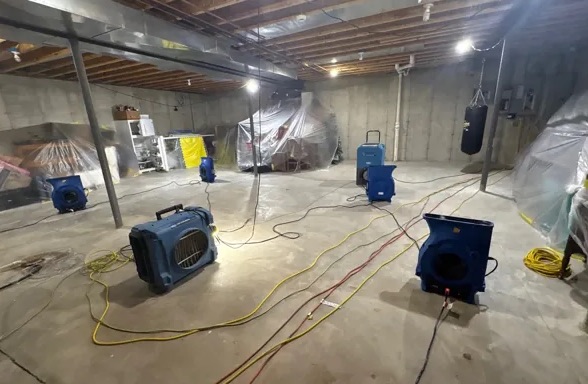
Expert Basement Water Removal in Auburn, Algona, Pacific and Lakeland North
Basement Water Removal in Auburn protects more than the floor. Furnaces, water heaters, washers and stored belongings in the basement can all be damaged by standing water.
Homeowners in Auburn can call (253) 216-4287 day or night when the basement is taking on water. Service also covers Algona, Pacific and Lakeland North, with the same pumping and drying steps.
Professional Basement Water Removal Offerings
Basement Moisture Inspection
Readings are recorded at each visit, giving you and your insurer a clear record of the drying.
Basement Water Pump Out
A pump-out removes standing water from the basement with submersible pumps, discharging it outside and away from the foundation.
Emergency Basement Flooding
Help is available any hour when water is rising in the basement from a storm, a sewer backup or a burst pipe.
Basement Dehumidification
After drying, a household dehumidifier may still be needed to keep basement humidity in a healthy range.
Sump Pump Failure Water Cleanup
Cleanup after a sump failure includes drying the area around the pit and noting whether the pump, switch or power was the cause.
Common Symptoms Requiring Basement Water Removal
Musty Odors and Mold Smell
A musty or damp smell in the basement points to wet materials hidden somewhere in the space.
High Humidity and Condensation
Water on pipes and windows, or a constantly clammy feel, means basement humidity is too high.
Soggy or Wet Carpeting
Carpet that feels damp or smells sour is holding water in the pad against the concrete.
Wet or Damp Basement Walls
Basement walls that look dark, feel damp or show tide lines are taking on or holding water.
How Basement Water Removal Works in Auburn
Step 1: Emergency Water Extraction
Power is made safe, then pumps and extractors remove standing water from the basement floor.
Step 2: Detailed Moisture Inspection
Meters map wet walls, framing and slab areas, including behind finished walls and under flooring.
Step 3: Drying and Dehumidification
Air movers and large dehumidifiers run continuously, with readings checked every day.
Step 4: Final Verification and Monitoring
Readings are compared to dry areas, and equipment is removed only when the basement tests dry.
Sources of Basement Water Problems
Plumbing Leaks or Pipe Bursts
Supply lines, drain pipes and water heaters in the basement can leak or burst onto the floor.
Sump Pump Malfunction or Power Loss
A sump pump that fails mechanically or loses power during a storm lets groundwater rise.
Clogged or Damaged Gutters
Clogged gutters and short downspouts dump roof water right next to the foundation.
Heavy Rainfall and Storm Flooding
Heavy rain saturates the soil and pushes water through walls, cracks and the floor joint.
Basement Water Removal for Homes and Businesses
Residential Basement Water Removal
Families should keep children and pets away from basement water until power is safe and the type of water is known.
Commercial Basement Water Removal
In restaurants and shops, basement water near food or stock storage needs fast removal and cleaning before those areas are used again.
The Risks of DIY Basement Water Removal
Water that came up through a floor drain may be sewage. Avoid touching it, keep children and pets away and call local basement water removal pros for cleanup with protective gear and disinfection.
Investing in Professional Basement Water Removal
The pros look at water depth, water type and basement finishes before pricing basement water removal in Auburn, then explain the scope.
Water Depth and Volume
Deeper water takes more pumping time and usually means more materials got wet.
Affected Materials
Finished walls, carpet and laminate take more removal work than bare concrete.
Access and Complexity
Narrow stairs, low ceilings and crowded storage areas make the work slower and longer.
Does Insurance Cover Basement Water Removal?
Ask your adjuster early how your policy treats seepage and sewer backups, since many policies limit or exclude both kinds of water.
Why Choose Local Pros for Basement Water Removal in Auburn
Industry Drying Standards
Water removal and drying follow industry water damage standards, with readings at every visit.
Focus on Drying Outcomes
Drying continues until readings are normal, not just until surfaces look dry.
Methodical Water Removal Process
Water is removed in a set order: pump-out, extraction, removal of soaked materials, then drying.
Immediate Basement Water Removal When You Need It
If water is near outlets, the furnace or the electrical panel, stay out of it. Call (253) 216-4287 for help in Auburn and wait for power to be made safe.
Call Now (253) 216-4287Local Basement Water Removal Coverage for Algona, Pacific and Lakeland North
Help with basement water removal reaches Algona, Pacific and Lakeland North and other communities around Auburn, for finished and unfinished basements alike.
- Basement Water Removal in Algona
- Basement Water Removal in Pacific
- Basement Water Removal in Lakeland North
- Basement Water Removal in Lakeland South
- Basement Water Removal in Federal Way
- Basement Water Removal in Milton
- Basement Water Removal in Covington
- Basement Water Removal in Des Moines
- Emergency Damage Restoration in 98001
- Storm Damage Restoration in 98001
- Water Damage Restoration in 98001
- Water Extraction Service in 98001
- Water Leak Detection in 98001
- Water Removal Service in 98001
- Emergency Damage Restoration in 98002
- Storm Damage Restoration in 98002
Answers to Top Basement Water Removal Queries
Is a sump pump failure an emergency?
Yes, especially during rain. Groundwater can rise quickly once the pump stops, flooding the floor and finished rooms.
What is emergency basement flooding response?
Help any hour to make power safe, stop the source, pump out water and start drying before more damage sets in.
How is basement wall drying done?
Wet drywall is cut back, insulation removed and directed airflow and dehumidifiers dry the studs and masonry.
What equipment is used for basement water extraction?
Submersible pumps, extractors, wet vacs, air movers, large dehumidifiers and moisture meters to confirm drying.
What should I do right after basement flooding?
Make power safe, avoid sewage, move belongings above the water, take photos and call for water removal.