Mount Vernon, WA · Skagit County
Basement Water Damage Restoration in Mount Vernon, WABasement Sewer Backup Cleanup & Basement Mold Prevention
Basement Water Damage Restoration in Mount Vernon includes emergency basement flood cleanup, basement sewer backup cleanup and basement wall drying.
Answered 24/7
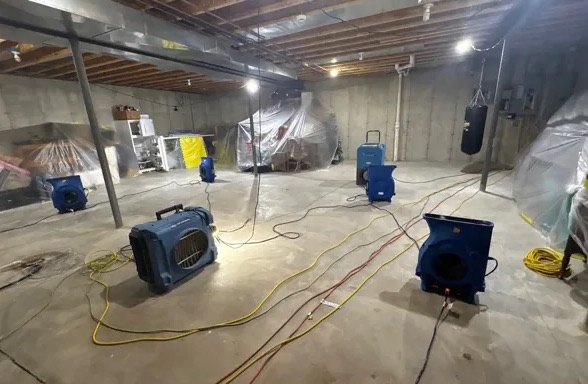
Basement Water Damage Restoration Solutions in Mount Vernon, Washington
When a sump pump fails during heavy rain in Mount Vernon, water can rise in the basement fast. Furnaces, water heaters, washers and stored belongings all sit at floor level and take the damage first.
Homeowners in Mount Vernon can call (253) 216-4287 day or night when water is rising in the basement. Service also covers Burlington, Sedro-Woolley and Anacortes, with the same pumping and drying steps.
Complete Basement Water Damage Restoration for Mount Vernon
Basement Sewer Backup Cleanup
Porous materials touched by sewage, such as carpet, pad and lower drywall, are removed. Concrete and framing are cleaned and disinfected.
Basement Mold Prevention
Fast extraction and drying are the main ways to limit microbial growth in a basement. Surfaces that stayed wet can be treated once dry.
Basement Dehumidification
Large dehumidifiers pull moisture from the basement air so walls, framing and the slab can release their water.
Basement Drying Services
Equipment is adjusted each day based on moisture readings until every material reaches its normal level.
Basement Water Extraction
Basement water is removed before drying starts, because every gallon left behind keeps the walls and air damp.
When to Consider Basement Water Damage Restoration for Your Mount Vernon Home
Wet or Stained Basement Walls
Dark, wet patches or tide lines on basement walls show where water seeped in or wicked up.
Efflorescence on Concrete Walls
White, chalky deposits on concrete walls mean water is moving through the concrete and leaving minerals behind.
Damp or Musty Odors
A damp, earthy or musty smell in the basement often means hidden moisture in walls, carpet or the slab.
High Humidity Levels Below-Grade
A basement that stays damp and clammy even on dry days has a moisture source that needs attention.
How Basement Water Damage Restoration Works in Mount Vernon
Step 1: Source Control and Extraction
The pipe is shut off, the sump restarted or the backup stopped, then the water is pumped out.
Step 2: Structural Drying Setup
Lower drywall is removed where soaked, and equipment is placed to dry wall cavities and the slab.
Step 3: Contaminant Removal
Materials touched by sewage or dirty water are removed and hard surfaces are cleaned and disinfected.
Step 4: Monitoring and Completion
Daily readings track drying until every material is normal, then equipment is removed.
Typical Sources of Basement Water Damage in Mount Vernon
Failed or Clogged Drain Tile
Clogged or collapsed drain tile around the foundation lets water build up against the walls.
Sewer Line Backups
A blocked or overloaded sewer line pushes wastewater up through basement drains and toilets.
Plumbing Pipe Bursts or Leaks
Supply lines and drain pipes in basement ceilings can crack or burst onto the floor below.
Window Well Flooding
Window wells without drains or covers fill with rain and leak through basement windows.
Basement Water Damage Restoration for All Properties in Mount Vernon
Residential Basement Water Damage Restoration
Homeowners with older basements may have seepage that returns with each storm. Drying fixes the current damage, and the source is noted for a waterproofing contractor.
Commercial Basement Water Damage Restoration
Apartment and condo buildings often have shared basements with laundry and storage. Each area is extracted, dried and recorded for the building manager.
Basement Water Damage Restoration: Professional Help vs. Doing It Yourself in Mount Vernon
You can move belongings off the floor and run a household dehumidifier. Drying soaked walls and slabs needs larger equipment and moisture readings to confirm the space is truly dry.
Cost Considerations for Basement Water Damage Restoration in Mount Vernon
Sewage cleanup, finished walls, storm-night calls and damaged appliances all add to the total for basement water damage restoration in Mount Vernon.
Water Category
Clean water costs less to handle than sewage, which needs protective gear, removal and disinfection.
Secondary Damage
Damage to furnaces, water heaters and belongings adds repair and replacement costs.
Dehumidification Needs
Large dehumidifiers may need to run longer in below-grade spaces than in upper floors.
Does Insurance Cover Basement Water Damage Restoration?
Photograph the water level, damaged belongings and appliances before cleanup starts, and keep receipts for emergency pumping and drying to send to your insurer.
Reasons to Hire Local Pros for Basement Water Damage Restoration in Mount Vernon
Detailed Documentation
Photos, readings and drying logs are kept to support your insurance claim.
Water Type Handling
Clean water, gray water and sewage are each handled with the right protection and removal steps.
Water Extraction First
Water is removed from floors, carpet and pad before drying starts, which shortens drying time.
Mount Vernon Emergency Basement Water Damage Restoration Response
Storm night, weekend or holiday, local restoration pros handle flooded basements in Mount Vernon. Call (253) 216-4287 to get the pumps running and the water out.
Call Now (253) 216-4287Basement Water Damage Restoration Available Throughout Skagit County
Basement water removal and drying also cover homes and buildings in Burlington, Sedro-Woolley and Anacortes, close to Mount Vernon, day or night.
- Basement Water Damage Restoration in Burlington
- Basement Water Damage Restoration in Sedro-Woolley
- Basement Water Damage Restoration in Anacortes
- Basement Water Damage Restoration in Oak Harbor
- Basement Water Damage Restoration in Arlington
- Basement Water Damage Restoration in Marysville
- Basement Water Damage Restoration in Granite Falls
- Basement Water Damage Restoration in Lake Stevens
- Emergency Damage Restoration in 98273
- Storm Damage Restoration in 98273
- Water Damage Restoration in 98273
- Water Extraction Service in 98273
- Water Leak Detection in 98273
- Water Removal Service in 98273
- Emergency Damage Restoration in 98274
- Storm Damage Restoration in 98274
Your Basement Water Damage Restoration Questions Addressed
What health risks come with delayed basement flood cleanup?
Standing water and wet materials can support bacteria and microbial growth, and sewage carries contaminants that need disinfection.
How soon should I call for basement water extraction after a leak?
Right away. Water wicks up drywall and soaks framing within hours, and below-grade spaces are slow to dry.
Does basement mold prevention need special steps after flooding?
Fast drying is the main step. Wood and concrete that stayed wet can be treated with an antimicrobial once dry.
Should I try below-grade waterproofing myself after flooding?
Sealing a small crack can be a DIY job, but drying must come first, and larger waterproofing work should go to a contractor.
What is the priority during emergency basement flood cleanup?
Safety first, especially electrical hazards, then stopping the source and pumping out the water as quickly as possible.